
Fertilizer markets · Jul 28, 2026 · 6 min
When the Strait tightens: fertilizer shocks and what African growers can still control
Global nitrogen and phosphate trade runs through fragile chokepoints. When shipping and gas feedstock wobble, prices follow — and soil strategy becomes a resilience plan, not a slogan.
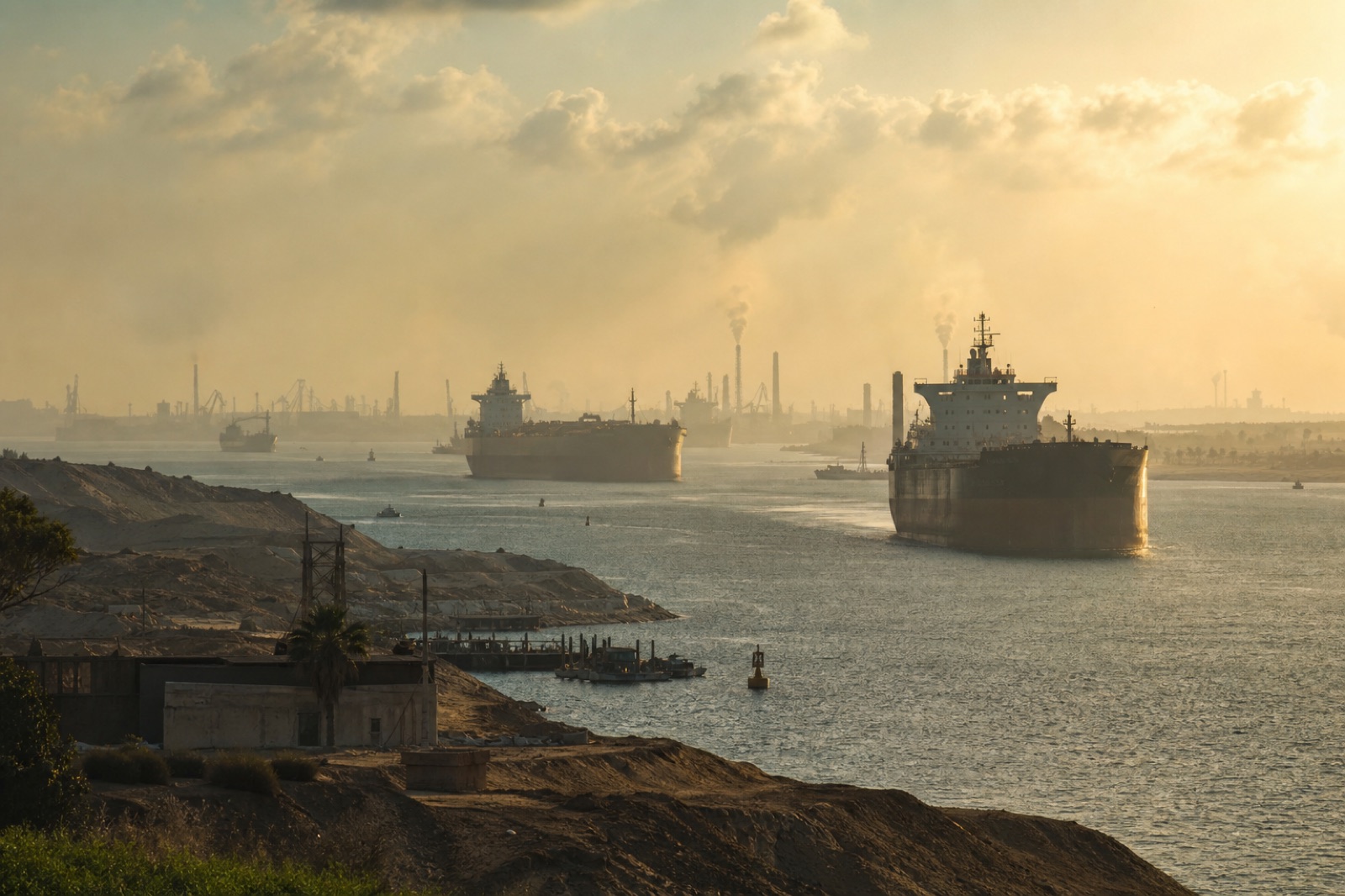
A large share of traded fertilizer and the energy feedstock behind nitrogen production moves through a handful of maritime corridors. When the Strait of Hormuz or related Gulf logistics come under pressure, the first signal for farms is rarely a headline — it is a quote from a dealer that no longer holds for a week.
Ethiopia and the wider Horn already operate with thin margins on imported synthetics. A shortage or freight spike does not only raise the cost of a bag of urea; it delays planting decisions, shrinks application rates, and quietly mines soil organic matter when growers chase yield without replacing biology.
That is the strategic case for organic liquid nutrition built closer to the farm: soluble nutrients timed to crop demand, less dependence on a single global NPK pipe, and formulations that feed the soil community rather than only the leaf. Local production cannot replace every imported tonne overnight — but it can shorten the shock path from geopolitics to the root zone.
For cooperatives and commercial farms, the practical response is layered: lock dealer relationships early, measure soil before guessing rates, and treat organic liquid programs as a hedge against input volatility — not a fashion.
Eco Green’s position is deliberately industrial and local: a patented organic liquid line manufactured in Ethiopia, supported by field observation and an open research shelf of third-party science. When global trade frays, the growers who win are the ones who still have a nutrition plan.